

What the Flock Are You Missing?
You already paid for the pole, the solar panel, and the mount. Here's how to upgrade the camera and the intelligence behind it, without touching any of that.
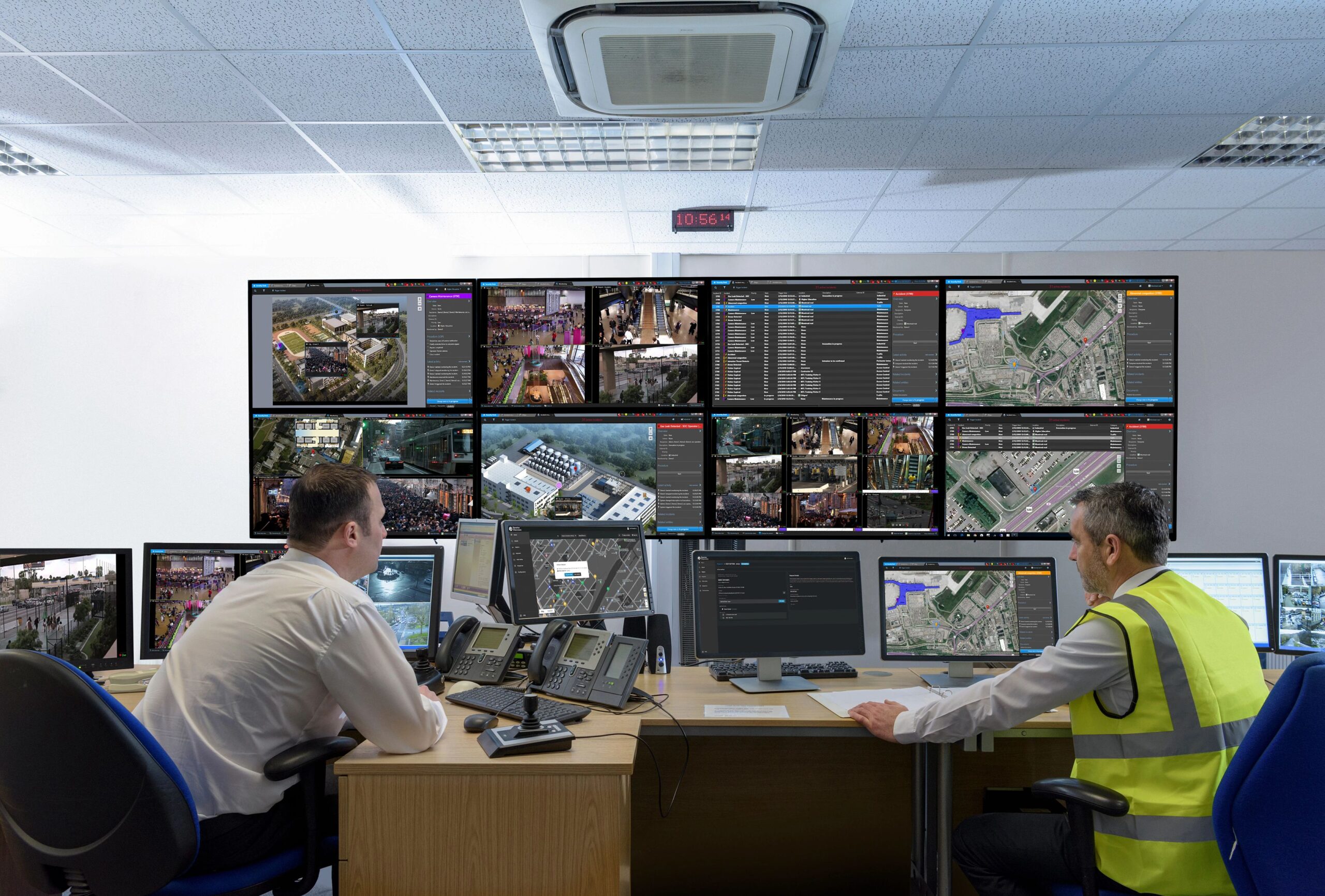
If your organization deployed solar-powered field cameras over the last several years, there's a good chance you're sitting on a familiar problem: the pole, the solar array, and the mounting infrastructure are all solid. The camera and software sitting on top of it aren't keeping up.
That gap is what this retrofit program was built to close. Instead of ripping out infrastructure that still works, we replace only the layer that's actually holding you back: the camera and the intelligence platform behind it.
The ProblemField video is stuck in the past
Field video deployments (the kind mounted on poles at intersections, entrances, and remote perimeters) were often built years ago, on hardware and software that made sense at the time. Today, that same infrastructure is holding sites back:
- Expensive pole and solar infrastructure is already installed and paid for
- Legacy cameras cap what kind of intelligence and analytics are even possible
- A full rebuild means permits, downtime, and civil work most teams can't justify
The result: customers are stuck running underperforming systems on top of infrastructure that's actually fine.
Current RealityGood infrastructure, thin intelligence
Talk to almost any site operator running legacy field cameras and the complaints sound the same. They don't have:
- Fast, straightforward investigation when something happens
- A unified view of video intelligence across the system
- Cross-site visibility from a single place
The infrastructure was never the problem. The intelligence layer sitting on top of it is.
The OpportunityYou've already paid for the hard part
Poles, solar panels, and mounting sites represent the majority of the cost and effort in any field deployment, and in most cases, that investment already exists and is working fine. What's missing is the camera and the software intelligence layer riding on top of it. That's a far smaller, far faster problem to solve than a full rebuild.
The BackdropWhy municipalities are already pulling their Flock cameras
This retrofit isn't happening in a vacuum. Over the past year, a growing number of cities and counties have canceled or suspended their Flock Safety contracts. By mid-2026, public reporting put the number at more than 50 municipalities across 20-plus states, with the pace accelerating through the first half of the year.
In most cases, the trigger wasn't the camera hardware itself. It was how Flock's national network handles the data those cameras collect. Flock's system is built around a shared lookup network: once a city's cameras are on it, other agencies on that same network can query the data, and in several documented cases that included federal agencies the city never authorized. Mountain View, California found that more than 250 outside agencies, including the ATF and the GSA Inspector General, had run roughly 600,000 unapproved searches against its camera data. Dayton, Ohio found over 7,000 searches tied to immigration enforcement, in direct violation of the city's own policy. Both cities ended their contracts after the findings came to light, and they're far from alone.
This is exactly the piece worth understanding before choosing a retrofit path, because Genetec and Verkada handle data sharing differently from each other, and both handle it differently from Flock's default model.
- Verkada CR63 runs on a platform built around customer-owned data: the agency decides retention windows, who has access, and whether data is shared at all, rather than opting out of a network that shares by default.
- Genetec Cloud Runner builds sharing around opt-in, revocable permissions. An agency chooses who can see its ALPR data, can turn that access off at any time, and law enforcement is not able to forward the data on to private entities. There's no network-wide setting that shares data by default.
Neither platform changes what a valid subpoena or court order can compel. What changes is the starting point: data sharing that an agency has to turn on and direct, instead of a nationwide network an agency has to notice and turn off.
The SolutionKeep the infrastructure. Replace the intelligence.
The retrofit swaps the camera and onboards the site to a modern cloud video platform, while the pole, solar panel, and mount stay exactly where they are. We support two retrofit paths, and the right one depends on your existing platform and preferences:
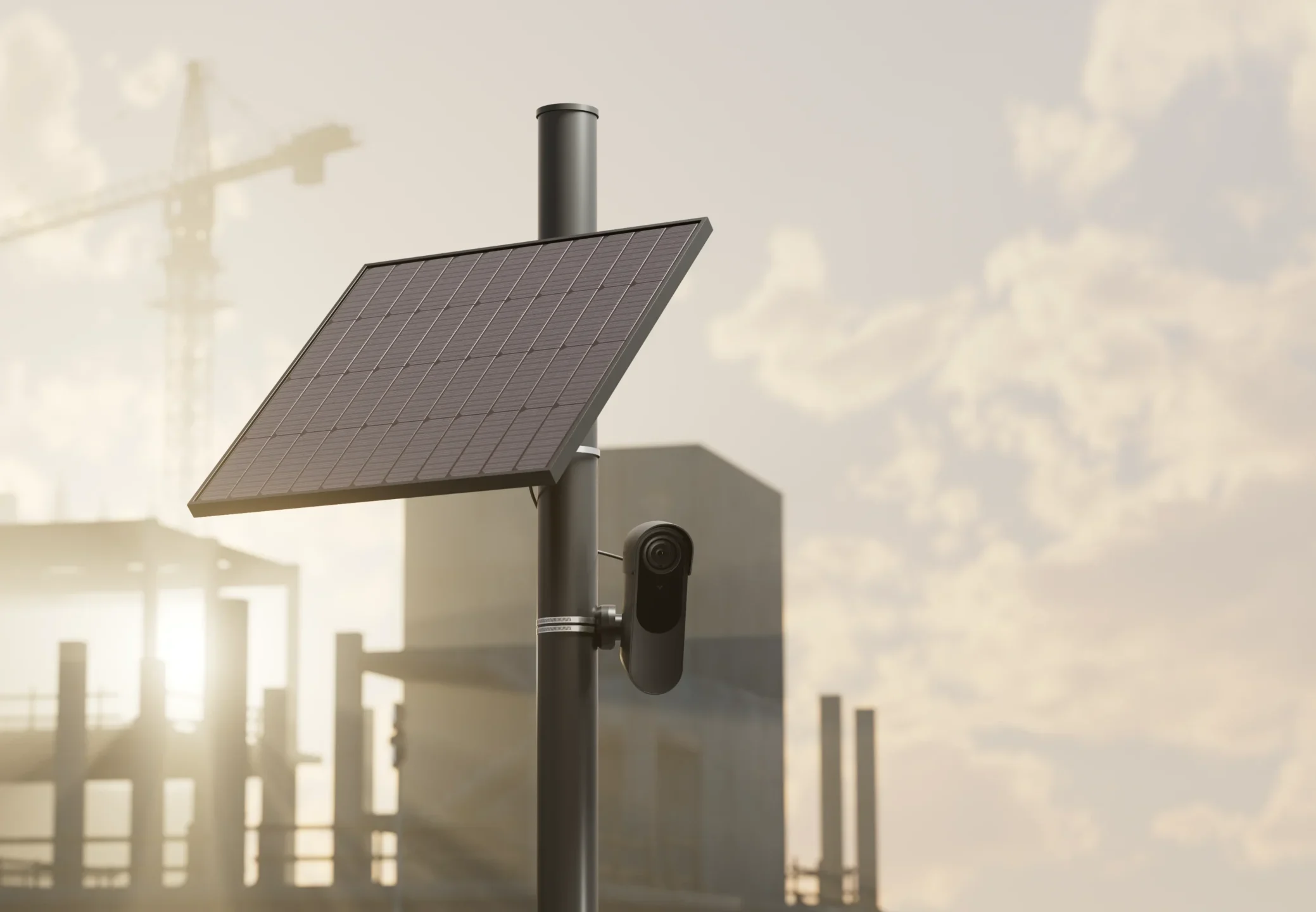
A rugged, cloud-native camera designed for remote and solar-powered sites, giving teams the same simple, browser-based Verkada experience they may already use elsewhere.
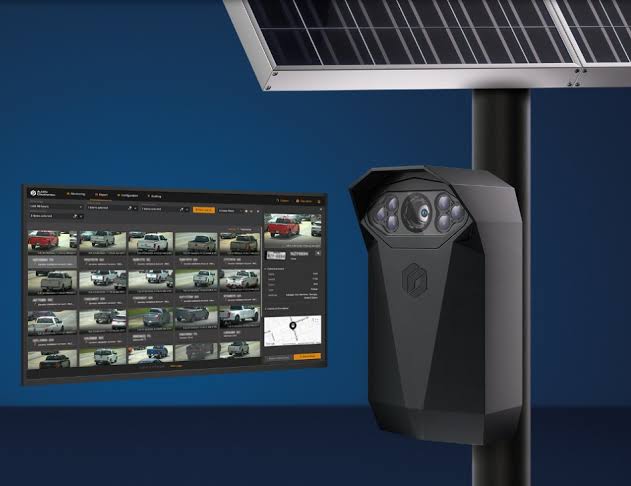
A solar-ready, cloud-connected camera built to drop onto existing pole and mount hardware, streaming directly into Genetec's cloud video platform for unified, cross-site management.
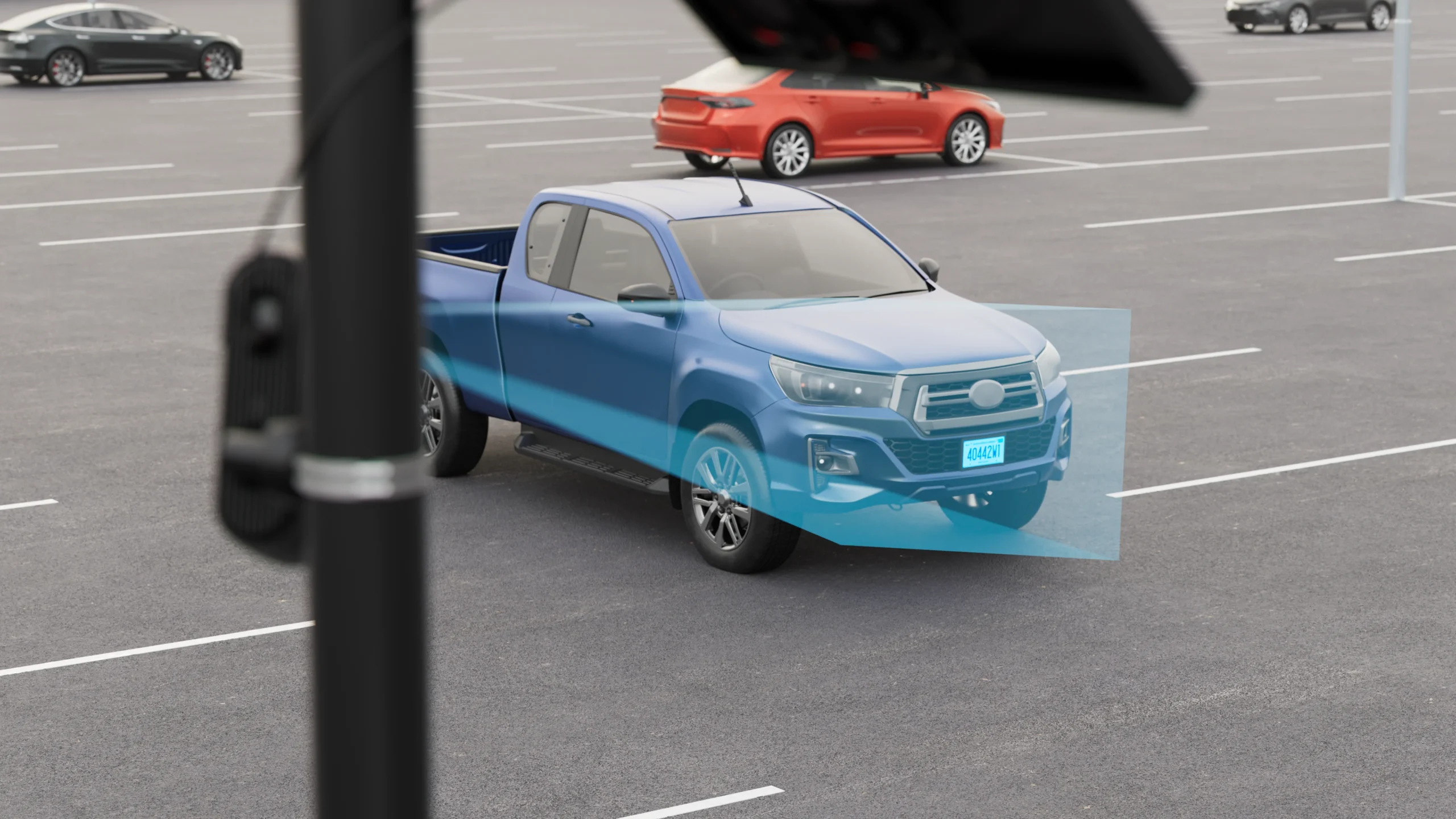
How It WorksFour steps, no rebuild
-
01
Site validation
We confirm the existing pole, solar capacity, and mount are compatible with the new camera, so there are no assumptions and no surprises on install day.
-
02
Swap kit deployment
A retrofit kit matched to your site and chosen platform (Genetec Cloud Runner or Verkada CR63) is prepped and staged.
-
03
Field swap
The legacy camera comes off and the new one goes on the same mount. This is a camera replacement, not a construction project.
-
04
Cloud onboarding & activation
The site is brought online in the cloud platform and connected alongside your other cameras, alarms, and sensors.
No rebuild required. No re-permitting. No civil work.
Upgrade in hours, not projects
Because the retrofit only touches the camera, the timeline looks nothing like a traditional deployment:
From footage to actionable intelligence
Once a site is retrofitted and onboarded, teams see the difference immediately:
- Faster investigations, with modern search and retrieval tools
- Better situational awareness at each site and across the network
- Unified cloud access instead of juggling separate systems
- Less operational friction for the teams who manage the system day to day
Built for how field sites actually scale
- No wasted infrastructure, since the pole, solar, and mount stay in service
- Low migration friction for teams already managing distributed sites
- A deployment cycle measured in hours per site, not project cycles
- A model that scales cleanly whether you have five sites or five hundred
You don't need to rebuild your sites. You need to upgrade what they see.
If you're running field or perimeter cameras on solar and pole infrastructure today, there's a strong chance the fastest path to modern video intelligence is already standing in the ground.
Talk to us about your sites